

Services
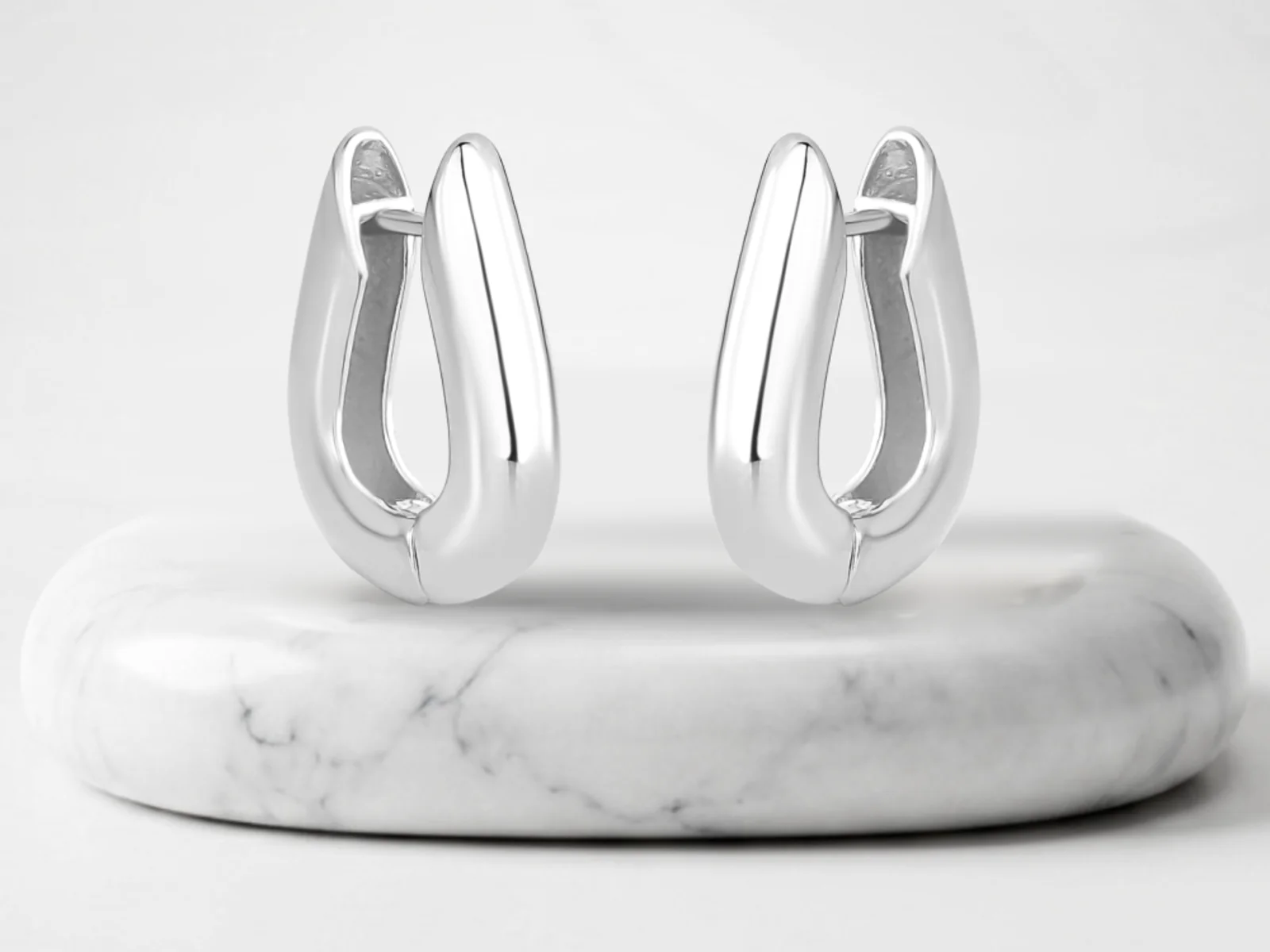
Rhodium plating has been widely applied to semi-jewelry to give pieces greater durability. Rhodium (Rh) is a metal from the platinum family.
Protection and shine
Shine and resistance
Rhodium plating coats the metal with a protective layer, making it more resistant to stains and scratches.
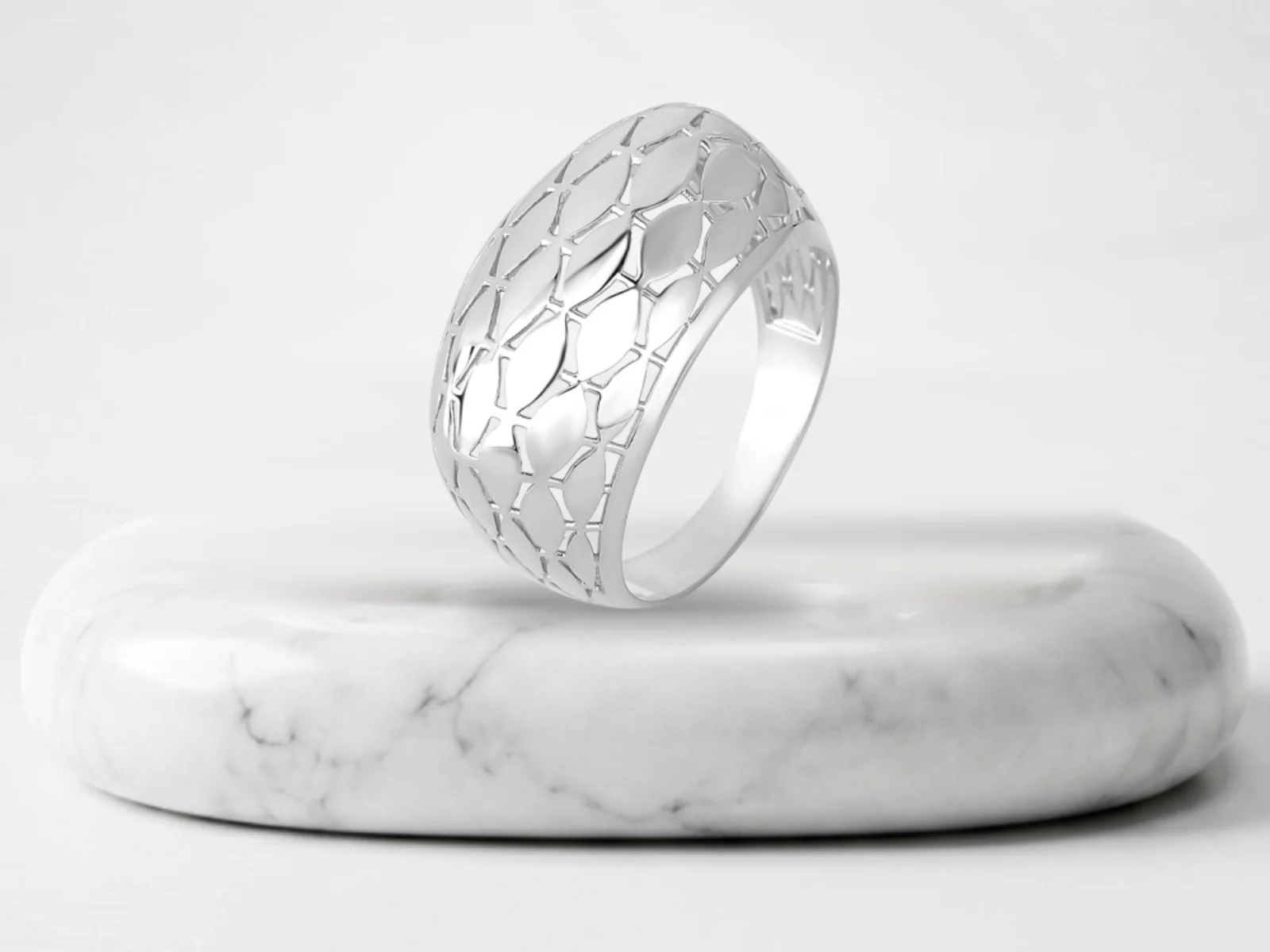
Moreover, it is very shiny, and this quality has an important aesthetic value, since the jewelry (or semi-jewelry) becomes much more beautiful after this plating. Shine and resistance are two adjectives commonly used to describe rhodium.
Benefits
What rhodium plating delivers
Stain resistance
A protective layer that preserves the look of the metal.
Scratch resistance
More protection for pieces in everyday use.
High shine
Jewelry and semi-jewelry look much more beautiful after plating.
Greater durability
The reason rhodium is so widely used on semi-jewelry.
Applications
Rhodium Plating Applications
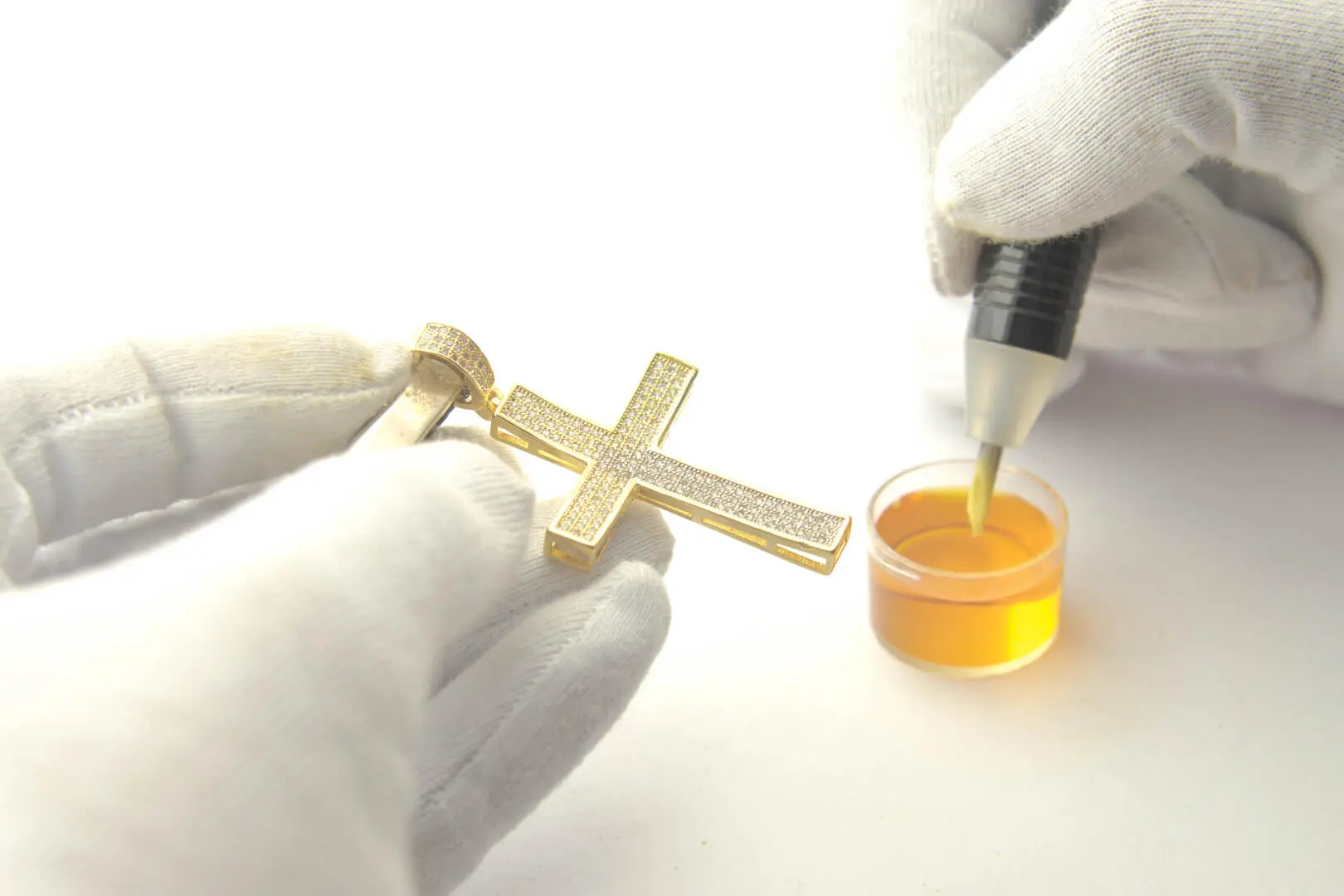
Rhodium plating can be applied galvanically to an entire piece of jewelry or to specific parts using a pen coating system, called Rhodium Appliqué.
Curiosities
Where is rhodium found in nature?
The earth's crust contains only 0.001 ppm (parts per million), or 0.0000001%, of rhodium. Rhodium is found in nature mainly in its pure form, always consists of a single stable isotope (¹⁰³Rh) and is always found with other platinum group metals.
Minerals that contain rhodium include cuprorhodsite, cherepanovite, polkanovite and miassite. The largest mines are in South Africa and the Ural Mountains, and both are platinum group mines. Other deposits are found in South America. In Canada, it is found in nickel minerals.
Request personalized service
Talk to a specialist about rhodium plating or rhodium appliqué for your pieces.